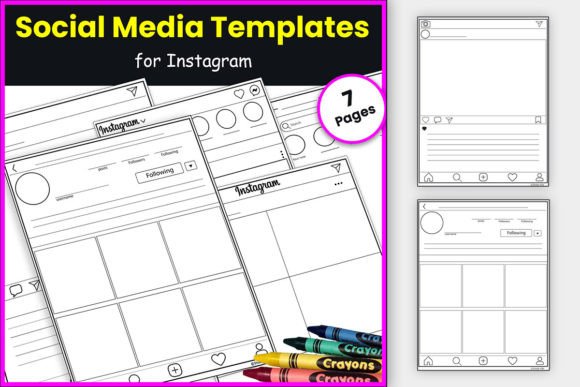
Classroom Social Media Templates: Elevate Student Engagement
Integrating modern culture into the classroom isn't just about staying trendy; it's about meeting students where they are. The Social Media Templates for Classroom resource is a creative asset designed to bridge the gap between digital native habits and academic rigor. While many think of social media graphics as purely marketing tools, repurposing the "Instagram aesthetic" for education creates a powerful visual hierarchy that students instantly recognize. It transforms passive learning into active content creation, making these templates a vital part of modern educational design assets.
The Visual Appeal and Style of the Resource
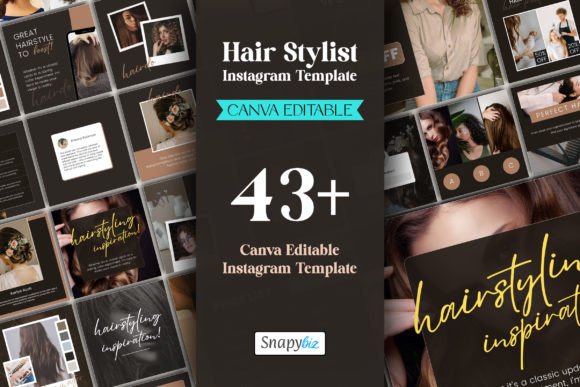
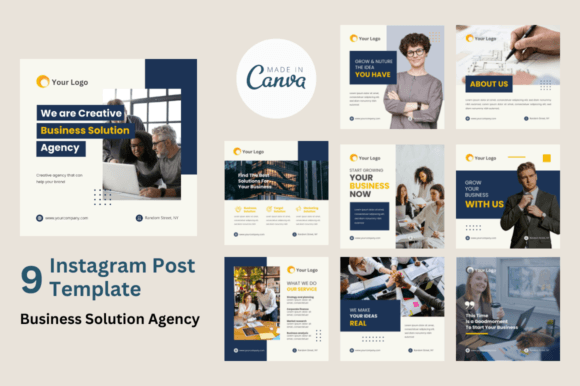
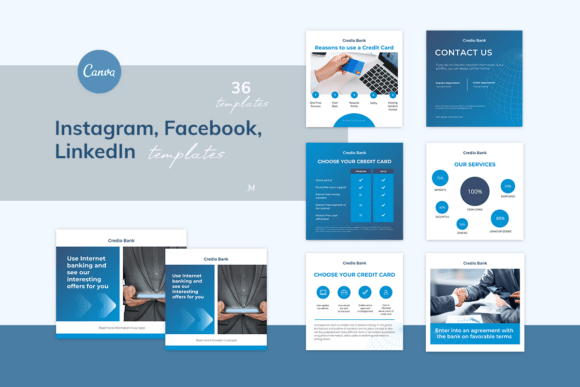
Visually, these templates mimic the clean, user-centric interface of popular photo-sharing apps. They are not a traditional typeface or premium font, but rather a structured layout system—a design asset that frames student work. The "personality" of these templates is familiar, interactive, and informal yet structured. They usually feature designated areas for profile pictures, "captions," and image placeholders, utilizing a mix of sans serif font styles that prioritize readability and clarity. This approach to modern typography ensures that the focus remains on the student's content while maintaining a polished, professional look reminiscent of high-quality editorial design.
The overall appeal lies in its versatility. Whether you are teaching elementary school or high school seniors, the aesthetic adapts. It functions much like a handwritten font or script font in brand identity—it sets a tone. In this case, the tone is one of relevance and engagement. By using a visual language that students spend hours interacting with daily, educators can lower the barrier to participation. It is a practical application of brand strategy within the classroom, where the "brand" is the subject matter and the "customer" is the student.
Practical Applications Across the Curriculum
The true strength of Social Media Templates for Classroom lies in their adaptability. They are not limited to art class or digital media courses. In history, students can use these layouts to create mock profiles for historical figures, deciding on "posts" that reflect the era's events. This requires a deep understanding of context, similar to how a designer approaches logo design or packaging design—every element must communicate a specific message.
Consider these practical implementation ideas:
- Character Analysis: In literature, students can illustrate scenes from a character's perspective, using the caption space for internal monologue. This mimics creative font pairing strategies where imagery and text work in tandem to tell a story.
- Scientific Visualization: For STEM subjects, challenge students to diagram complex concepts, such as cellular mitosis or physics equations, using the image area. They can use the caption to explain the process, effectively creating infographics using a familiar social media format.
- Vocabulary Building: Instead of rote memorization, students can "depict" a vocabulary word from the word's perspective. This exercise in visual communication helps solidify definitions through creative association.
- Back-to-School Introductions: Start the year by having students create "profiles" that highlight their summer experiences or goals. This builds community and serves as a low-stakes introduction to public speaking.
Design Principles and Classroom Display
From a design perspective, using these templates teaches students about composition and layout without them realizing it. They learn about the importance of whitespace, alignment, and how text interacts with images. When these finished projects are printed and displayed, they create a dynamic classroom environment that feels curated and intentional. It transforms a standard bulletin board into a gallery of web design inspired layouts.
Furthermore, the collaborative aspect is crucial. Encouraging students to write comments on each other's "posts" fosters a sense of community. It mirrors the engagement metrics of real-world digital marketing but in a controlled, educational context. This peer-to-peer interaction is a form of interactive participation that reinforces learning through social validation and constructive feedback.
Integrating the Resource into Your Workflow
For the educator acting as a content creator or publisher, these templates streamline the preparation process. They are typically available as PDFs in various sizes, making them easy to print and distribute. Because they are design assets, they save the teacher the time of creating layouts from scratch, allowing them to focus on the pedagogical content.
When utilizing these resources, consider the following to maximize impact:
- Evaluate the Fit: Just as a marketer selects a display font based on the campaign's goal, choose the specific template style that matches your lesson. A "story" format might work better for timelines, while a "post" format is ideal for snapshots of knowledge.
- Encourage Creativity: Allow students to experiment with their own handwriting or drawing within the designated areas. This brings the organic feel of a handwritten font into the structured digital layout.
- Review and Iterate: Use the completed templates as formative assessments. The visual nature makes it easy to spot misconceptions in how students interpret a subject visually.
Ultimately, Social Media Templates for Classroom are more than just a novelty; they are a strategic tool for engagement. By borrowing from the world of graphic design and social media marketing, educators can create a learning environment that feels current, relevant, and deeply engaging for the digital generation. It is a perfect example of how modern typography and layout principles can be applied outside of commercial contexts to achieve tangible educational results. Whether you are a hobbyist teacher or a small business owner running a tutoring center, this approach to visual learning offers a high return on investment in student attention and comprehension.